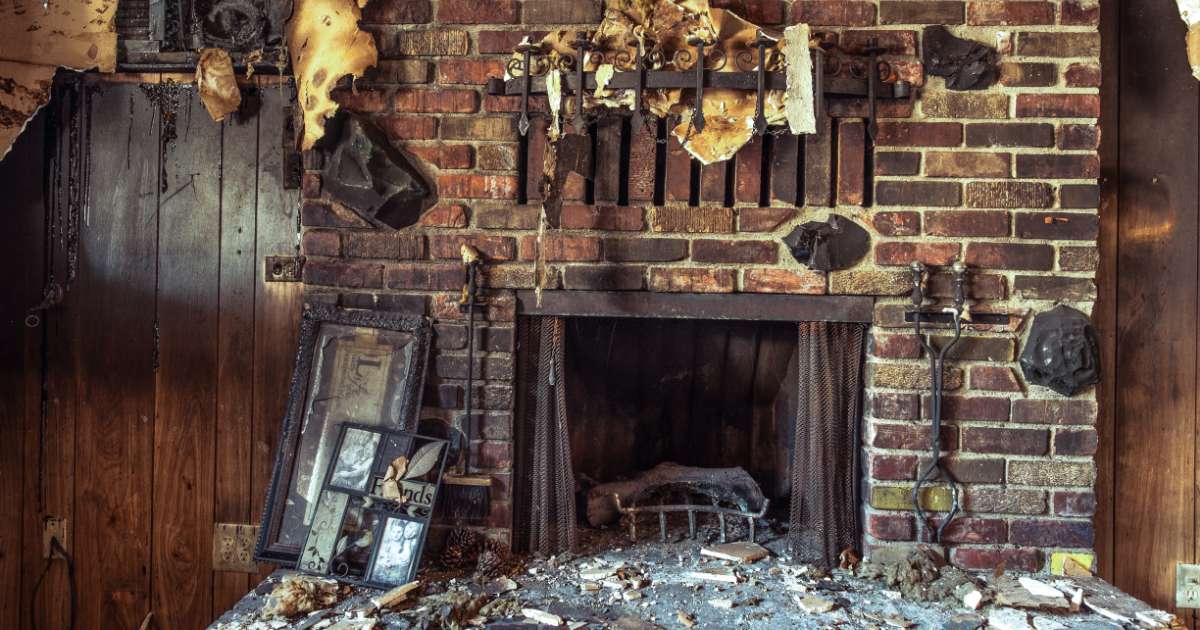

Atlanta homeowners know the pattern. Severe spring thunderstorms, tropical remnants during hurricane season, and sudden hailstorms often arrive with little warning. Once the storm passes, the real stress begins as homeowners deal with missing shingles, water stains, fallen limbs, and repairs that could take weeks or even months.
If your house has storm damage and you are thinking about selling instead of making repairs, you are not alone. This guide explains how storm damage affects “as is” home sales in Metro Atlanta, what Georgia disclosure rules require, how insurance may apply, and why selling your house “as is” for cash can be a practical option.
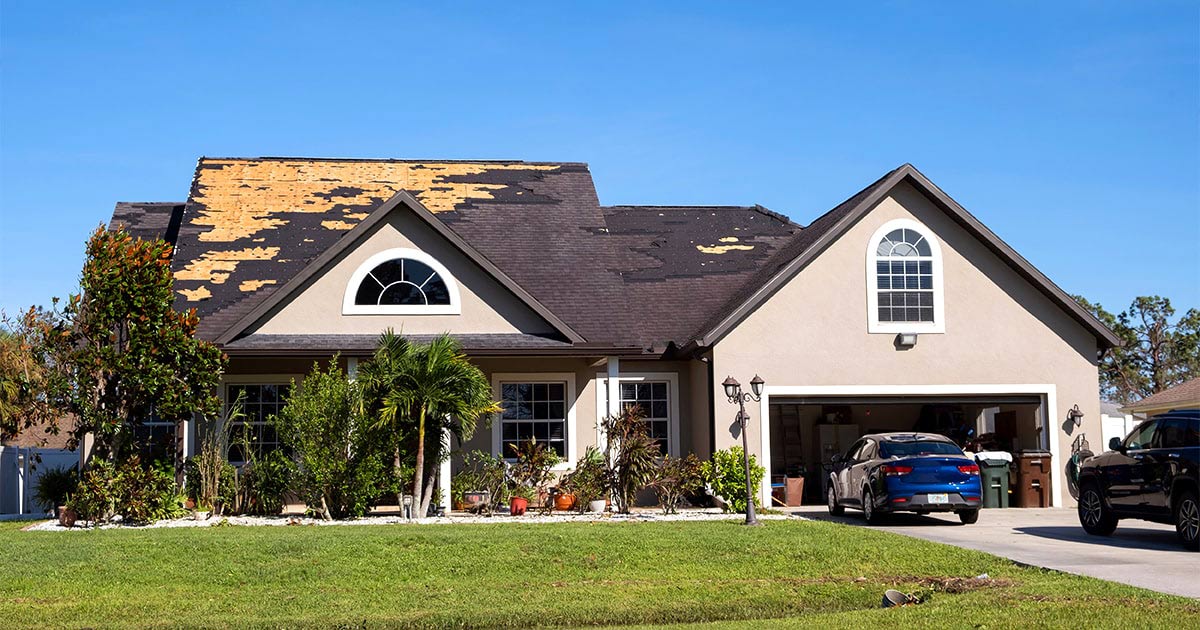
Why storm damage is so common in Atlanta
Metro Atlanta’s warm, humid climate creates the perfect conditions for fast-moving storms that bring hail, strong winds, tornado activity, and flash flooding. Even when damage looks minor at first, storms often create hidden problems that appear later. Moisture can seep into roofing, siding, and structural materials, leading to issues that become more noticeable over time.
Common storm-related problems in the region include:
-
Hail damage to roofs, siding, gutters, and trim
-
Wind damage that lifts shingles, damages flashing, and tears down fencing
-
Fallen trees or large limbs that puncture roofs or damage the structure
-
Flash flooding in basements, crawl spaces, or low-lying yards
-
Water intrusion that may lead to mold and long-term structural damage
Storm damage is common in the region, and once water enters the structure, repairs can quickly become more expensive and time-consuming.
How storm damage impacts your house’s value
Storm damage usually affects a home’s value in two ways: the direct cost of repairs and how buyers react to the property’s condition.
Direct repair costs add up quickly
Storm damage repairs can range from manageable to very expensive depending on the severity and whether water entered the home. Examples include:
-
Roof repairs or full replacement
-
Drywall, insulation, and ceiling repair after leaks
-
Flooring replacement after water intrusion
-
Electrical repairs if water reaches wiring or panels
-
Mold remediation if moisture remains in the house
Even if insurance helps cover some repairs, deductibles, depreciation, and uncovered damage can still leave homeowners paying significant out-of-pocket costs.
Buyer perception can hurt the value even more
When a storm-damaged house is listed on the traditional real estate market, several issues may affect the sale:
-
Inspection negotiations where buyers request credits or price reductions
-
Appraisal challenges because visible damage may reduce appraised value
-
Financing issues since many lenders require repairs before loan approval
-
Longer time on the market because buyers often avoid houses that need major work
For these reasons, homes with storm damage that are listed traditionally may sell for less than comparable homes in good condition and may stay on the market longer.
How homeowners insurance covers storm damage in Georgia
One of the first questions homeowners ask is whether insurance will cover storm damage. The answer depends on the policy and the type of damage involved.
What homeowners insurance often covers
Many Georgia homeowners policies cover wind and hail damage to the structure, depending on deductibles and policy terms. However, coverage details matter:
-
Wind and hail deductibles may be higher than standard deductibles
-
Actual Cash Value coverage may reduce payouts for older roofs due to depreciation
-
Some policies limit coverage for cosmetic damage that does not cause active leaks
Flooding is treated differently
Standard homeowners insurance policies usually don’t cover flood damage caused by rising water. Flood coverage typically requires a separate flood insurance policy.
In Atlanta, flash flooding can affect crawl spaces, basements, and ground-level areas during strong storms, which is why this distinction is important.
You can file a claim and still sell your house “as is”
Filing an insurance claim doesn’t require you to repair the property. Some homeowners receive an insurance settlement and then decide whether repairing the home makes sense.
If you have a mortgage, the lender may control the insurance funds and release them in stages as repairs are completed. This can slow down the process if you want to sell quickly. Because of this, some homeowners choose to sell their house “as is” for cash instead.
Georgia disclosure rules for storm-damaged homes
If you sell a storm-damaged house in Georgia, disclosure rules still apply.
Selling “as is” still means disclosing known issues
Selling a house “as is” means you aren’t agreeing to repair the property before closing. It doesn’t mean known problems can be hidden.
If you know about storm damage such as roof leaks, flooding, water intrusion, mold, or structural damage from fallen trees, it is important to disclose what you know. Being honest about the property’s condition helps reduce the risk of problems after the sale.
Why selling a storm-damaged house “as is” for cash can make sense
After a major storm, many Atlanta homeowners feel stuck waiting for insurance adjusters, comparing contractor estimates, and dealing with repair delays.
For some, the numbers simply do not work. Insurance payouts may not cover all repairs, deductibles can be high, and the timeline may feel overwhelming. In situations like these, selling a house “as is” for cash can become a practical option.
Why some homeowners sell a storm-damaged house “as is” for cash
-
Closing can happen faster, often in weeks rather than months
-
No repairs required, even if the home has roof damage, water damage, or interior issues
-
No lender appraisal required, since cash buyers are not dependent on traditional financing
-
Less risk of deals falling through compared with financed sales
-
A possible option for flood-damaged houses that many lenders will not finance
Sell your house “as is” in three simple steps
If you choose to sell your storm-damaged house, here’s how the process works with We Buy Ugly Houses®.
Book a consultation
We start with a free, no-obligation visit. During this time, we will answer your questions and learn more about the property and its storm damage.
Receive a cash offer
After walking through the house, we can present a fast cash offer based on the condition of the property and the local market.
Close on your timeline
If you accept the offer, we’ll work with you when choosing the closing date. In some situations, we can close in as little as 3 weeks, or later if you need more time.
What to do right after storm damage
Whether you plan to repair the house, file an insurance claim, or sell the house “as is,” these steps can help you manage the damage and decide what to do next.
Document the damage
Take photos and videos of visible damage such as the roof, ceilings, siding, floors, fencing, and fallen trees before cleanup if possible.
Prevent further damage
Cover roof openings with tarps, board broken windows, and shut off power to flooded areas when needed. Quick action can prevent additional loss.
Contact your insurance company
Most policies require timely notice of damage. Even if you are unsure about what you plan to do, reporting the damage early keeps your options open.
Get independent repair estimates
If you’re considering repairs or negotiating an insurance claim, contractor estimates can provide valuable information about the true cost of repairs.
Decide on your best path forward
You may choose to repair the house, rebuild, or sell the house “as is” for cash. The right option depends on your finances, timeline, and how much work you want to take on.
Moving forward after storm damage
Storm damage can quickly turn a house into a major source of stress. Between insurance delays, contractor schedules, and uncertainty in a traditional sale, it can feel overwhelming. Fortunately, you still have options.
If you decide to move on, We Buy Ugly Houses buys storm-damaged houses across Metro Atlanta, including homes affected by roof leaks, water intrusion, hail, and fallen trees. You can sell your house “as is” with no repairs, no commissions, and no long waiting period. That means a cash offer and a closing date that works for you.
This blog is for informational purposes only and should not be considered legal advice.