
If you own a home in Atlanta with foundation problems, it can feel like you’re stuck between two difficult options. You can spend thousands on repairs you may not be able to afford or let the property sit while the problem gets worse.
There is another option. You can sell your house “as is” for cash to a buyer who specializes in homes that need repairs. This allows you to skip costly fixes and avoid the stress of a traditional listing.
Atlanta’s red clay soil, combined with heavy rain, humidity, and periods of drought, creates conditions that can cause foundations to shift, settle, and crack. If you’ve noticed sagging floors, doors that stick, or cracks forming along walls, you’re not alone. Homeowners across Fulton, DeKalb, Cobb, and Gwinnett counties deal with these issues every year.
This guide explains what causes foundation problems in Atlanta homes, the average cost to repair a foundation, what Georgia disclosure rules look like, and how to sell a house “as is” when traditional buyers may be hesitant to move forward.
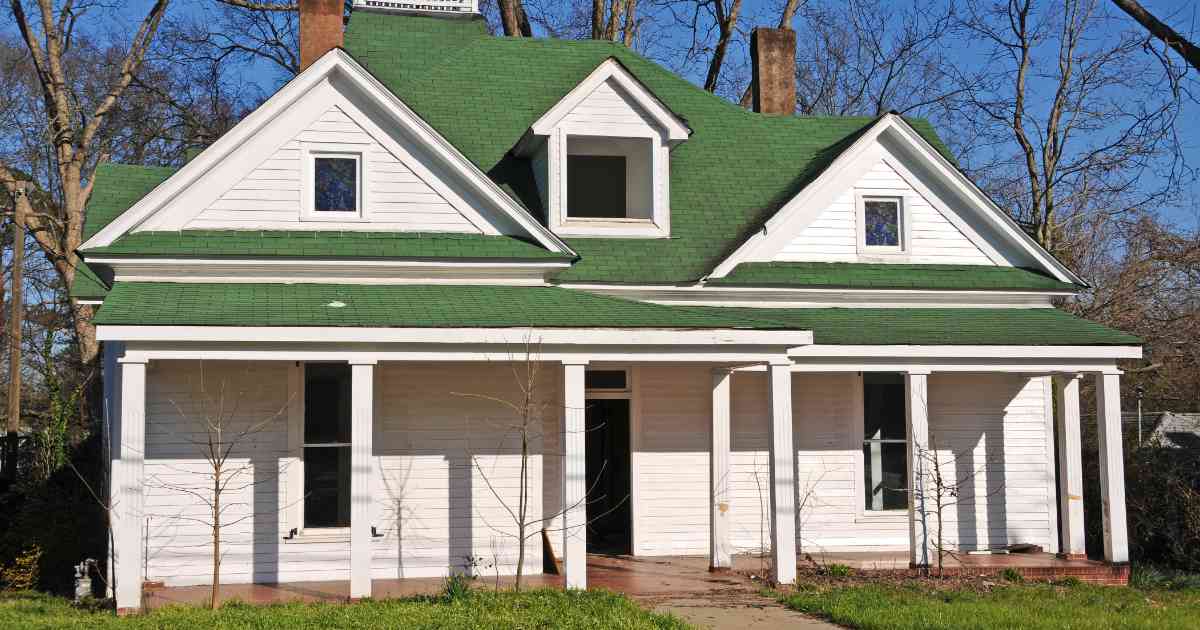
What causes foundation problems in Atlanta houses?
Atlanta sits in the Piedmont region, where the soil is largely red clay formed from weathered granite and other rock. Red clay can be especially challenging because it expands when it absorbs water and shrinks when it dries out. This constant movement creates pressure that can crack slabs, shift walls, and weaken crawl space supports.
Common causes of foundation problems in Metro Atlanta include:
-
Expansive clay soil that moves with seasonal rain and drought
-
Mature tree roots pulling moisture unevenly from the ground
-
Poor drainage around the house, including gutters and grading issues
-
Aging construction and shallow footings in older homes
Whether you live in a 1960s ranch in Decatur or a split-level in Marietta, these soil conditions can create similar structural challenges.
Signs of foundation issues Atlanta homeowners should watch for
Not every crack means there’s serious damage, but certain warning signs deserve attention, especially when more than one appears at the same time.
Visible foundation cracks
Hairline cracks may be normal settling. More concerning signs include:
-
Horizontal cracks in basement or foundation walls made of concrete blocks
-
Stair-step foundation cracks in brick
-
Cracks wider than ¼ inch or cracks that grow over time
These patterns can suggest structural movement rather than normal settling.
Sagging floors and uneven surfaces
Sagging floors or floors that feel bouncy can signal foundation movement, damaged supports, or moisture problems in a crawl space. A noticeable slope in one direction may also indicate a sinking foundation.
Doors and windows that stick
When a foundation shifts, door and window frames can move out of alignment. Doors may rub, windows may stick, and gaps may appear around trim or ceilings.
Gaps around exterior trim and chimneys
Separation between the chimney and the house’s exterior wall, or visible gaps where siding meets the foundation, may signal uneven settling.
Water intrusion in crawl spaces or basements
Standing water, damp smells, or moisture in a crawl space often appear alongside foundation problems. Water can enter through foundation cracks and worsen soil movement.
Average cost to repair foundation problems in Atlanta
The cost to fix foundation problems can vary widely depending on the severity of the damage and the type of repair needed. Minor repairs may be manageable, but major structural work can cost tens of thousands of dollars.
Typical repair categories include:
-
Minor crack sealing: May cost hundreds to a few thousand dollars
-
Crawl space support and joist reinforcement: May cost several thousand dollars
-
Pier installation or underpinning: Costs vary depending on the number of piers needed
-
Slab leveling: May cost several thousand dollars or more
-
Major structural repair: Can exceed tens of thousands of dollars
There is often a second round of expenses after the structure is stabilized. Homeowners may still need drywall repairs, flooring replacement, paint, trim work, or plumbing adjustments. The total cost can rise quickly.
For many homeowners, this is the point where it makes financial sense to sell their house “as is” rather than invest in major structural repairs.
What to know about disclosures when selling a house “as is”
Selling “as is” does not mean selling without disclosures. In Georgia, homeowners are expected to disclose known problems with the property honestly.
What “as is” really means
Selling a house “as is” means you are not agreeing to make repairs before closing. The buyer understands that the property is being sold in its current condition.
What it does not mean:
-
You can hide known foundation problems
-
You can misrepresent the property’s condition
-
You can claim you were unaware of an issue if you already knew about it
If you know about foundation cracks, settling, water intrusion, or previous foundation repairs, it is best to disclose that information clearly.
Why selling to a cash buyer can reduce complications
Traditional buyers often rely on inspections, lender appraisals, and repair negotiations. Foundation problems can complicate all three of these steps, and deals often fall apart as a result.
Cash buyers who specialize in buying houses “as is” often:
-
Expect repairs and factor them into the offer
-
Do not rely on lender appraisals
-
Help avoid lengthy repair negotiations
This can lead to a more predictable sale.
Why traditional buyers often walk away from foundation problems
If you’ve tried selling a home with foundation problems through a traditional listing on the local real estate market, you may have seen a situation like this:
-
Buyers notice cracks, sagging floors, or other signs of foundation problems
-
They request specialized inspections to evaluate the structure
-
Inspection reports reveal costly repair recommendations
-
Buyers cancel the deal or ask for major price reductions or repair credits
Even when a buyer still wants the house, the lender may not approve the loan. Many mortgages require homes to meet minimum structural standards. Serious foundation problems can prevent financing.
That’s why many homeowners decide to sell their house “as is” for cash instead.
Sell your house “as is” in three simple steps
Working with We Buy Ugly Houses® keeps the process simple and straightforward.
Book a consultation
Start with a free, no-obligation visit. A local Atlanta team member will answer your questions and learn more about your property.
Receive a cash offer
After walking through the home, we can present a fast cash offer based on the property’s condition and the local market.
Close on your timeline
If you accept the offer, you choose your closing date. In some situations, closing can happen in as little as 3 weeks. If you need more time, we can often work with your schedule.
The real cost of waiting
Foundation problems rarely fix themselves. Small cracks can widen, drainage issues can worsen, and each heavy rain cycle may contribute to additional movement.
During that time, homeowners may still be paying for:
-
Mortgage payments
-
Property taxes
-
Insurance
-
Utilities and maintenance
In many cases, selling sooner at an “as is” price may protect more equity than waiting while repair costs continue to grow.
Ready to move forward?
Foundation problems don’t have to control what happens next. If you are ready to sell a house “as is” in Atlanta and move on from structural repairs, We Buy Ugly Houses can help.
There’s no pressure and no obligation. You can simply review your cash offer and decide what works best for your situation.
This blog is for informational purposes only and should not be considered legal advice.