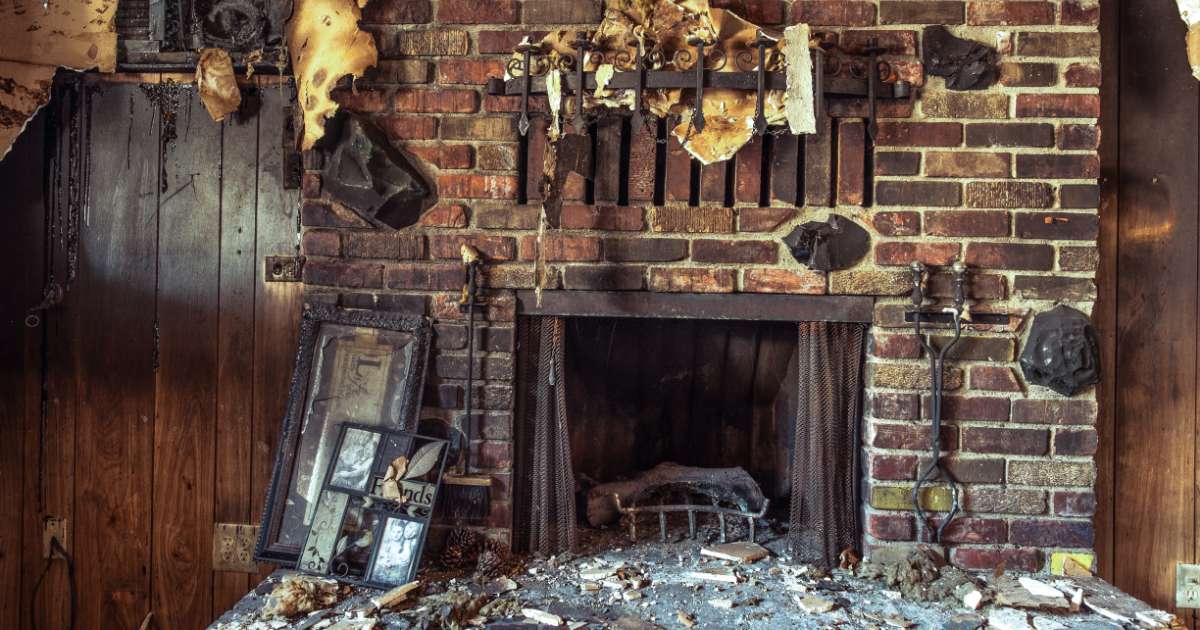

Selling a house “as is” with code enforcement issues in Milwaukee is allowed under Wisconsin law, but it does come with specific requirements. Homeowners are still responsible for disclosing known defects, even if the property has open violations.
For those dealing with ongoing fines or significant repair needs, selling “as is” can be a practical way to move forward without making major updates. In some cases, working with a cash buyer may offer a more direct path to closing.
This guide explains how code violations can affect your sale, what Wisconsin law requires, and what options are available if you’re looking to sell without taking on additional repairs.
Understanding housing code violations and their costs
Housing code violations occur when a property doesn’t meet the standards set by the City of Milwaukee’s Department of Neighborhood Services (DNS). These requirements cover areas like structural safety, electrical and plumbing systems, exterior maintenance, and occupancy rules. Milwaukee enforces these standards under Chapter 200 of the Milwaukee Code of Ordinances, and violations can carry financial penalties if they aren't resolved.
Common violations Milwaukee homeowners encounter include:
-
Broken or missing smoke and carbon monoxide detectors
-
Deteriorating porches, stairs, or railings
-
Peeling lead paint, especially in homes built before 1978
-
Faulty plumbing or electrical wiring
-
Roof damage or signs of water intrusion
-
Overgrown vegetation or debris accumulation
-
Unpermitted additions or conversions
Violations often compound over time when repairs are delayed or multiple issues are cited during an inspection. In some cases, follow-up inspections can add new orders before earlier ones are resolved. As these accumulate, the city may impose daily fines, place liens on the property, or pursue legal action, increasing the overall cost and complexity of bringing the house into compliance.
The costs of fixing a house with code violations
Addressing code violations can involve a range of repairs, depending on the condition of the property and the type of issues cited. Common updates may include electrical work, roofing repairs, plumbing fixes, or addressing lead-based paint in older homes. The scope and cost of these improvements can vary widely based on the size of the home and the extent of the work needed.
For properties with multiple or long-standing violations, costs can add up as repairs are completed and inspections are scheduled. In addition to materials and labor, homeowners may need to account for permits, contractor availability, and follow-up inspections through the Department of Neighborhood Services.
Timing is another important factor. Coordinating repairs and meeting compliance requirements can be time-consuming, particularly if multiple systems need to be updated or re-inspected before closing.
For some homeowners, taking on these repairs makes sense. For others, especially when timelines or budgets are limited, selling the house “as is” may be an option worth considering.
What Wisconsin law says about selling a house with city violations
Wisconsin's Real Estate Condition Report, governed by Wis. Stat. § 709.02, requires sellers to disclose known issues with a property. This includes structural concerns, water damage, environmental hazards such as lead paint or asbestos, and known code violations. The Wisconsin Department of Safety and Professional Services provides guidance on these disclosure requirements.
Here are a few key points to keep in mind:
-
You must disclose known defects. Failing to share known code violations or property issues can create legal risk after the sale.
-
“As is” does not remove disclosure obligations. Selling a home “as is” means the seller does not plan to make repairs, but it does not eliminate the responsibility to disclose known conditions.
-
Open violations typically stay with the property. If the City of Milwaukee has issued orders for the property, those requirements generally transfer to the next owner.
-
Liens may need to be addressed before closing. Any outstanding city liens are usually resolved at or before closing, often using proceeds from the sale.
Working with a local property specialist, such as We Buy Ugly Houses® in Milwaukee, can help clarify next steps and reduce potential delays during the transaction.
Can you sell a house with code violations to a traditional buyer?
Selling a home with code violations to a traditional buyer is possible, but it can present additional challenges. Many buyers rely on mortgage financing, and lenders typically require properties to meet certain conditions and safety standards. Government-backed loans, such as FHA or VA loans, may have more specific requirements that can affect eligibility.
Even when a buyer is interested, the process may involve additional steps, such as inspections, repair discussions, or lender-required conditions before closing. In some cases, this can lead to renegotiations or delays.
Selling a house with code violations through a traditional listing may also involve:
-
Ongoing negotiations related to repairs or credits
-
Buyers reconsidering after inspections
-
A longer time on market compared to updated properties
-
Standard agent commissions and transaction costs
For some homeowners, the traditional route still makes sense. However, if repairs or timelines are a concern, you may want to explore other selling options.
Why Milwaukee homeowners choose We Buy Ugly Houses®
We Buy Ugly Houses has worked with homeowners across Milwaukee for many years. Our team is locally based and familiar with the range of property types in the area, from older duplexes with aging electrical systems to midcentury homes that may require foundation or structural updates.
When you work with us, repairs are not required before selling. We purchase properties in a variety of conditions, including those with code violations, deferred maintenance, or other issues that can make a traditional sale more complex.
Here's how it works:
Step 1: Schedule your free consultation
Reach out, and we'll set up a free, no-obligation visit to your property. We'll listen to your situation, answer your questions, and give you an honest assessment.
Step 2: Receive a fast cash offer
After walking through the house, we'll put together a straightforward cash offer. There are no hidden fees, no agent commissions, and no obligation to accept.
Step 3: Close on timeline
If you accept the offer, we'll handle the rest. We work with local title companies to ensure a smooth closing, and we can sometimes wrap things up in as little as 3 weeks.
It's that simple. No contractors, no permit headaches, no DNS re-inspections on your end.
What about properties with multiple or severe violations?
For homeowners dealing with extensive repairs or multiple code violations, understanding how the selling process works can help clarify available options.
At We Buy Ugly Houses, the process is designed to be straightforward. After you reach out, a local representative will review the property and schedule a time to see it in person. From there, you may receive a no-obligation offer based on the home’s current condition and local market factors.
If you decide to move forward, the sale can proceed without you having to complete repairs or resolve every issue beforehand. The timeline is typically more flexible than a traditional listing, allowing you to choose a closing date that works for your situation.
This approach can be especially relevant for properties that require substantial updates, have open code violations, or involve more complex situations like inherited homes or long-term deferred maintenance. Rather than addressing each issue individually, some homeowners choose to sell the property as it stands and transfer responsibility at closing.
As with any real estate decision, it’s important to weigh your options and choose the path that best fits your timeline, budget, and overall goals. We Buy Ugly Houses in Milwaukee is ready to make you a cash offer.
Steps to take if you have active code violations
If you’re unsure about your property’s violation status or next steps, a few basic actions can help you better understand your situation:
-
Check your DNS records. Visit the City of Milwaukee DNS Property Search to review any open orders tied to your address.
-
Review compliance timelines. Many DNS orders include deadlines, which can affect how quickly issues need to be addressed.
-
Stay current on city notices. Responding to correspondence can help prevent additional fines or escalation.
-
Explore your options early. Whether you plan to make repairs or sell, understanding your options helps you make a more informed decision.
If you’re considering selling, learning how different approaches work can help you determine what makes sense for your timeline and property condition.
Explore your options for selling a house with code violations in Milwaukee
If you’re dealing with active code violations, selling your house can feel complicated, but there are still practical options to consider. Whether you decide to make repairs and list traditionally or sell the property “as is,” understanding how each approach works can help you choose what best fits your timeline and financial situation.
We Buy Ugly Houses purchases properties throughout Milwaukee in a variety of conditions, including those with open code violations or significant repair needs. If you’re considering a cash sale, you can request a visit to learn more about the process and decide if it’s the right fit for your situation.
Ready to sell your Milwaukee home "as is"? Contact We Buy Ugly Houses today for a free, no-obligation consultation.
This blog is for informational purposes only and should not be considered legal advice.