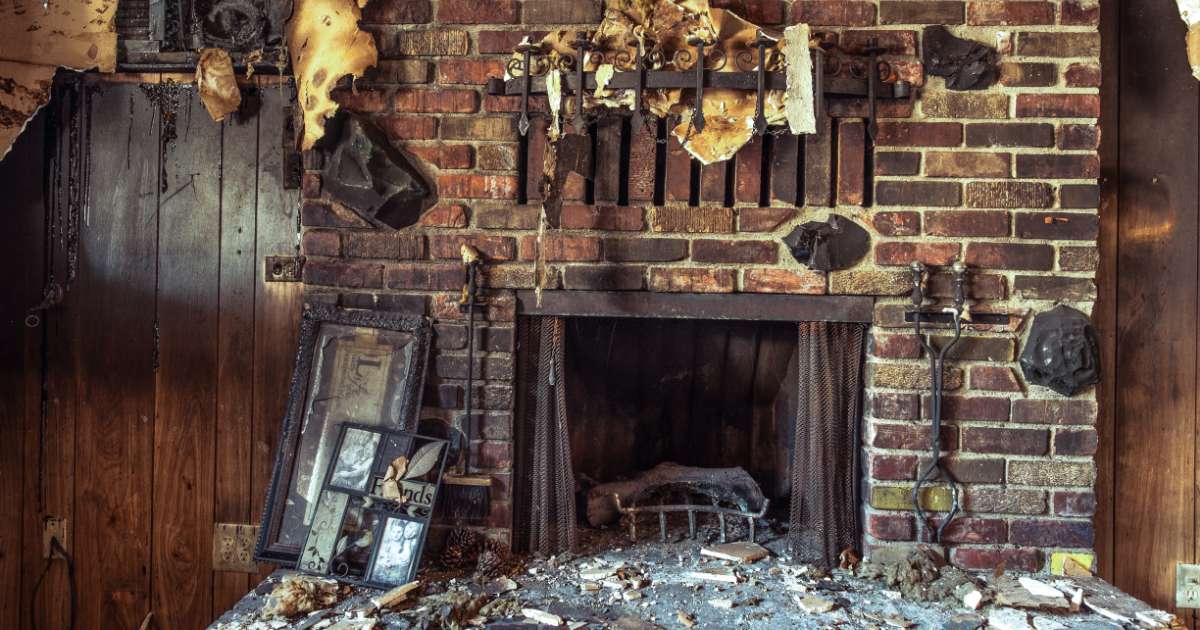

If your Houston home sits in a FEMA flood zone, you can sell it as is, and you don't have to gut the drywall, fight an insurance claim, or wait months for a buyer's lender to approve the deal. We buy houses across Houston every week, including homes in Zone AE, Zone X, and properties inside the 100-year and 500-year floodplains. Flood history isn't a dealbreaker. It's just part of the conversation.
You'll get a straightforward offer, a closing date you choose, and zero pressure to accept. No repairs. No obligation.
What Houston flood zone designations actually mean
Before you list, it helps to know exactly which FEMA flood zone your property sits in. Here's the short version of what each designation means in Houston:
- Zone AE: A high-risk area inside the 100-year floodplain, also called a Special Flood Hazard Area (SFHA). There's a 1% annual chance of flooding, and mortgage lenders require buyers to carry National Flood Insurance Program (NFIP) coverage or a private equivalent.
- Zone X (shaded): A moderate-risk area, often inside the 500-year floodplain. Flood insurance isn't federally required, but many buyers still want it, and some lenders ask for it.
- Zone X (unshaded): A minimal-risk area outside the mapped floodplain. This designation carries the lightest disclosure and insurance burden, though Harris County's history of off-map flooding means many buyers still ask about prior events.
- 100-year floodplain: Areas with a 1% annual flood chance. Most Zone AE properties fall here.
- 500-year floodplain: Areas with a 0.2% annual flood chance. Lower risk, but still a disclosure factor in Texas.
You can check your property's exact flood zone in about two minutes by typing your address into the FEMA Flood Map Service Center. If your home was built in or near an SFHA, you may also have an Elevation Certificate on file from when it was permitted or insured. That document shows the lowest floor elevation relative to the base flood elevation, and it can directly affect NFIP premiums for a future buyer, so it's worth digging up before you sell.
In a traditional retail sale, flood zone status often pulls the sale price down compared to a similar home outside the floodplain. Industry reporting on FEMA Special Flood Hazard Areas commonly cites discounts in the 10% to 20% range, depending on the zone, the flood history, and the local market.
That gap exists because retail buyers run into financing contingencies, NFIP premiums, and tougher appraisals. While these factors can limit interest from traditional buyers, they don't prevent a sale. They also have less impact when selling directly to a cash home buyer.
Texas flood zone disclosure requirements
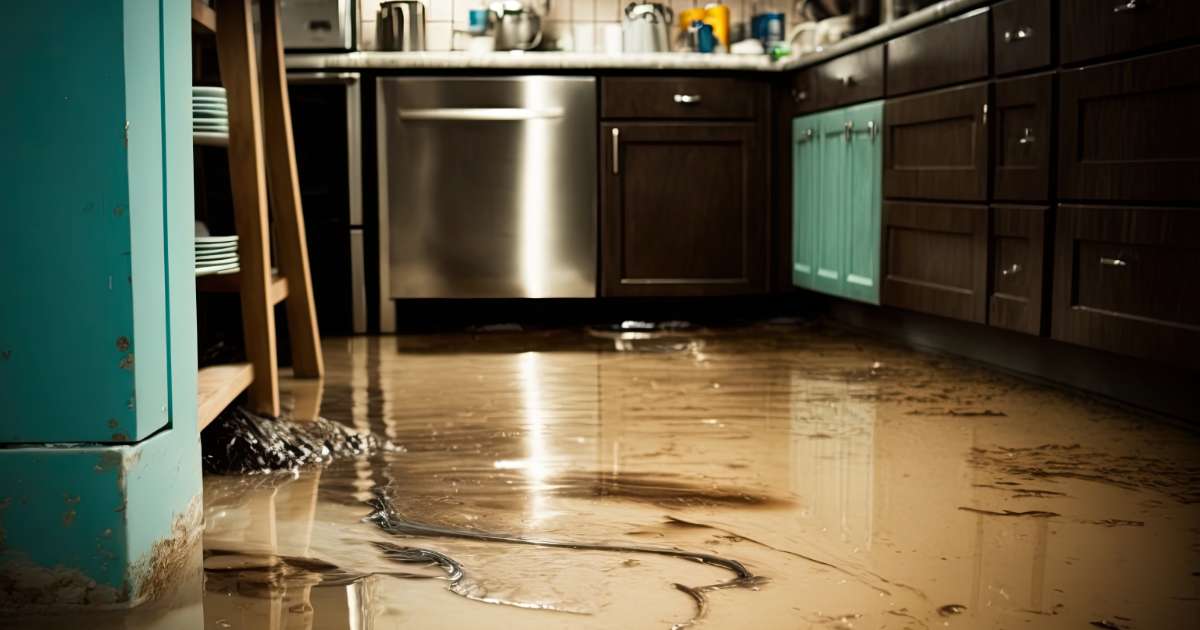
Texas law requires sellers to disclose certain information about a property's flood risk and flood history. Depending on the property and the seller's knowledge, disclosures may include whether the home is located in a floodplain, whether it has experienced flooding, and whether the owner has received flood-related insurance proceeds or disaster assistance. Sellers should review the current Texas Seller's Disclosure Notice and consult a qualified real estate professional or attorney with questions about their disclosure obligations.
Gathering flood-related records early can help streamline the selling process. If you're unsure about a property's flood history, you may be able to obtain information from your insurance provider, FEMA, or other available records. Having this information ready can help prevent delays once a buyer is under contract.
Flood disclosures don't automatically prevent a home from selling. However, in a traditional sale, flood history can sometimes create challenges if a buyer's financing, insurance requirements, or inspection results raise concerns late in the process. When selling directly to a cash home buyer, sellers still provide any required disclosures, but the transaction is not dependent on mortgage approval or lender requirements. That can make the process more straightforward for homeowners selling a property in a flood zone.
Your options for selling a house in a Houston flood zone
If you're selling a house in a Houston flood zone, you generally have three main options. The right choice depends on your timeline, budget, and goals.
1. Traditional retail listing with an agent
A traditional listing can help you reach the widest pool of buyers, but it often requires the most time and preparation. You may need to make repairs, complete updates, stage the home, and keep it show-ready while it's on the market. Flood zone properties can sometimes take longer to sell than comparable homes outside the floodplain because buyers may face additional financing requirements, higher insurance costs, or concerns about flood risk.
You'll also need to account for selling expenses, including agent commissions, which are often around 5% to 6% of the sale price but may be negotiable. Even after accepting an offer, financing, appraisal, and insurance issues can still delay or derail the transaction. This option may make sense if you're not in a hurry and are comfortable investing time and money into the sale process.
2. The HCFCD home buyout program
The Harris County Flood Control District (HCFCD) operates a Home Buyout Program for certain flood-prone properties. For homeowners who qualify, it can be an option worth exploring. However, participation is limited to specific properties and areas identified by the program.
According to HCFCD, buyouts typically depend on factors such as location, funding availability, and project priorities. The process can take a year or longer, particularly when federal grant funding is involved. While the program may work well for some homeowners, it's not available for every property and may not be the best fit for those who need to sell quickly.
3. Selling as is to a cash home buyer
Selling directly to a cash home buyer offers a different approach. Instead of preparing the property for the market, you can typically sell the home in its current condition without making repairs or hosting showings. Because there's no buyer mortgage involved, you also avoid many of the financing-related issues that can complicate traditional sales.
Our We Buy Ugly Houses® team in Houston can evaluate your property, present a cash offer, and work with your preferred closing timeline. While every transaction is different, many cash sales close in a matter of weeks rather than months. For homeowners looking for a more predictable and streamlined selling process, this can be an attractive alternative.
No single option is right for everyone. However, if your goal is to sell quickly, avoid repairs, and reduce the risk of delays related to financing or insurance, selling to a cash home buyer may be worth considering.
Why Houston sellers choose We Buy Ugly Houses® for flood zone homes
Selling a home in a flood zone can come with additional challenges, especially in a traditional sale. Many Houston homeowners choose We Buy Ugly Houses® because it offers a simpler alternative.
- No repairs required: You can sell your house in its current condition. That includes homes with water damage, foundation concerns, deferred maintenance, or other issues that may make a traditional sale more complicated.
- No staging or showings: There's no need to prepare your home for open houses or keep it ready for prospective buyers. We evaluate the property as it is.
- No buyer financing delays: Traditional home sales often depend on mortgage approval, appraisals, and other lender requirements. Because we buy houses for cash, the sale isn't contingent on a buyer obtaining financing.
- A straightforward selling process: Flood zone properties can raise additional questions during a traditional transaction, particularly when buyers are evaluating insurance costs or future flood risks. A direct cash sale can eliminate many of those common obstacles.
- Clear terms and a flexible closing timeline: If you receive an offer and decide it's right for you, you'll know the terms before moving forward. We can also work with your preferred closing schedule whenever possible.
Flood zone homes may face unique challenges on the retail market, including longer selling times, additional negotiations, and financing-related hurdles. A direct cash sale may be worth considering for those looking to sell quickly or avoid making repairs.
How the We Buy Ugly Houses® process works
If you're considering selling a flood zone property, here's what the process typically looks like with We Buy Ugly Houses.
Step 1: Tell us about your property
Start by contacting us online or by phone. You'll share some basic information about the property, such as its location, condition, flood history, and your preferred timeline. Reaching out doesn't obligate you to sell, and there's no cost to learn more about your options.
Step 2: Receive a cash offer
A local We Buy Ugly Houses property specialist will review your property and may schedule a walkthrough to better understand its condition. If the property is a fit, you'll receive a cash offer to consider. You're under no obligation to accept the offer, and you can take the time you need to decide whether it's the right choice for your situation.
Step 3: Close on your timeline
If you decide to move forward, we'll work with you to schedule a closing date that fits your needs. You can sell the property in its current condition without making repairs or preparing it for showings. The process is designed to be straightforward, with clear terms and no agent commissions.