
If you own an investment property in Ft. Worth, you’ve likely seen how much the market has shifted. Rising interest rates, fluctuating home prices, and tighter margins on flips are making it harder for many investors to stay profitable. The good news? You can sell your house "as is" without spending another dollar on repairs, dealing with difficult tenants, or waiting months for a traditional buyer to close.
At We Buy Ugly Houses® in Ft. Worth, we're local property specialists who understand the area. We help property owners sell investment properties that no longer make financial sense, without the usual delays or repair costs. Below, we’ll walk you through how the shifting Ft. Worth residential real estate market impacts your investment property, what Texas law says about selling "as is," and how to move forward with confidence.

What's happening in the Ft. Worth real estate market right now?
The Ft. Worth real estate market has experienced significant swings over the past few years. After a pandemic-fueled boom that sent housing prices in Ft. Worth to record highs, the market has started to cool. According to the U.S. Census Bureau and data from the Federal Reserve Bank of Dallas, North Texas home price growth has decelerated notably, and properties are sitting on the market longer than they did in 2021 and 2022.
For investors, this matters. Whether you got into real estate investment hoping to profit from flipping houses or you've been a long-term landlord, a shifting market can change the math. Repair costs keep climbing, rent growth has slowed in some Ft. Worth zip codes, property taxes are rising, and buyer demand isn't what it used to be. If your investment property needs work, finding a retail buyer willing to pay top dollar is harder than ever.
For some investors, these conditions prompt a closer look at whether holding, renovating, or selling still makes sense.
Why selling your investment property "as is" makes sense in Ft. Worth
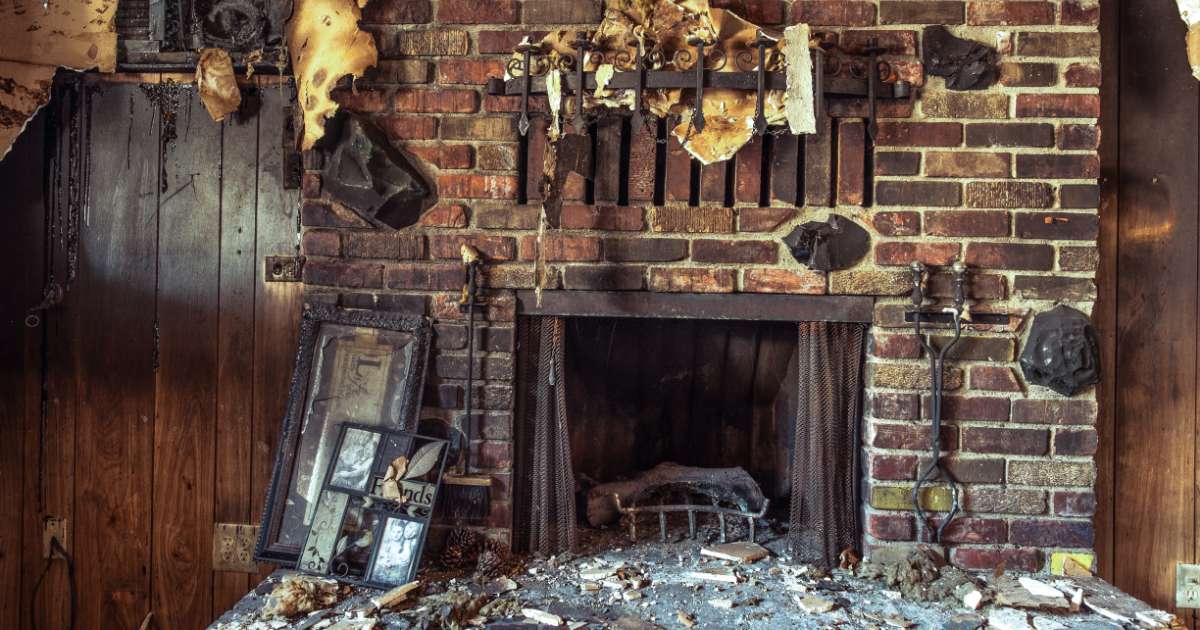
Selling a house "as is" means you're listing the property in its current condition. You're not promising to fix the roof, update the plumbing, or repaint the walls. The buyer accepts the property with full knowledge of its existing state.
For investment property owners in Ft. Worth, this approach carries several advantages:
-
No repair costs affecting your bottom line. If the property already needs work, making repairs before selling can add to your overall investment.
-
Faster timelines. Traditional sales in a cooling market can drag on for months. An "as is" cash sale can close in a few weeks.
-
Simplified logistics. You don't have to coordinate contractors, stage the property, or schedule dozens of showings.
-
A simpler way to move on from challenging properties. Whether it’s an aging rental, a property that needs updates, or one with code issues, selling "as is" can help you move forward without added stress.
If you're weighing your options for selling your Ft. Worth property "as is", a cash sale could be your best path forward.
Texas Real Estate Commission requirements for selling “as is"
Selling "as is" in Texas doesn't mean you can skip disclosures. The Texas Real Estate Commission (TREC) requires sellers to complete a Seller's Disclosure Notice under Section 5.008 of the Texas Property Code. Even when you sell a house "as is," you're still legally obligated to disclose known material defects. This includes issues like foundation problems, flooding history, or environmental hazards.
What about tenant-occupied investment properties?
If your investment property currently has tenants, you'll need to navigate a few additional considerations under Texas law:
-
Existing leases transfer to the new owner. A buyer purchasing your property takes on the current lease terms, so you'll want all lease agreements organized and available.
-
Estoppel certificates matter. An estoppel certificate is a document signed by the tenant confirming key lease details like the monthly rent amount, security deposit held, lease expiration date, and whether any disputes exist. While Texas doesn't mandate estoppel certificates by statute, experienced buyers and title companies often request them to verify lease terms and prevent post-closing disagreements.
-
Security deposit transfer. Under Texas Property Code Section 92.109, you must transfer tenant security deposits to the new owner at closing and notify tenants in writing of the ownership change and the new owner's contact information.
Getting these details right protects you from liability after the sale. If any of this feels overwhelming, that's exactly why working with professionals who specialize in buying investment properties "as is" can save you significant time and stress.
How a shifting market is impacting house flipping in Ft. Worth
The Ft. Worth residential real estate market attracted a wave of house flippers during the boom years. But flipping houses in a shifting market is a different game entirely. Longer hold times, higher borrowing costs, and unpredictable housing prices in Ft. Worth mean that the margins on a flip can evaporate quickly.
If you purchased a property with the intent to flip, but the numbers no longer work, you still have options. Selling the property "as is" to a cash buyer can help you recover a portion of your investment and redirect your real estate investment capital toward other opportunities.
How We Buy Ugly Houses® makes it easy
We've helped thousands of homeowners and investors across the country, and our team right here in Ft. Worth understands the local market inside and out. Here's how our simple process works:
Step 1: Schedule your free consultation
Reach out to us, and we'll set up a free, no-obligation visit at your property. We'll answer your questions, walk through your specific situation, and explain exactly how our process works.
Step 2: Receive a fast cash offer
After we've seen the property in person, we'll put together a cash offer based on its current condition and local market factors. You won't need to make a single repair or clean anything up.
Step 3: Close on your timeline
If you accept our offer, we’ll handle the rest. We can sometimes close in as little as 3 weeks, or we can work around your schedule if you need more time. It's completely up to you.
We don’t charge commissions or hidden fees, and we pay typical closing costs.† It’s a straightforward way to sell your house "as is" in Ft. Worth without added stress or delays.
When should you consider selling "as is"?
Not every situation calls for an "as is" sale, but here are some scenarios where it tends to be the smartest play for investment property owners:
-
The property needs major repairs you can't afford or don't want to fund
-
You're dealing with problem tenants or high vacancy rates
-
Property taxes and insurance are eating into your cash flow
-
Your flip project has stalled or gone over budget
-
You're ready to exit real estate investment and liquidate your portfoliointo cash or a 1031 exchange.
-
The Ft. Worth real estate market has shifted and traditional buyers aren't biting
If any of these situations apply, it may be worth taking a closer look at your options and what makes the most sense for your property and your goals.
Explore your options for selling your investment property in Ft. Worth
If you’re considering your next step, selling your house "as is" could be one option to help you move forward without taking on additional repairs or delays. At We Buy Ugly Houses in Ft. Worth, we work with local property owners to provide a straightforward selling process based on your timeline and your property’s condition.
If you’d like to learn more, contact We Buy Ugly Houses today for a free, no-obligation consultation. We're local to DFW, we're experienced, and we're here to help you move forward.
This blog is for informational purposes only and should not be considered legal advice.