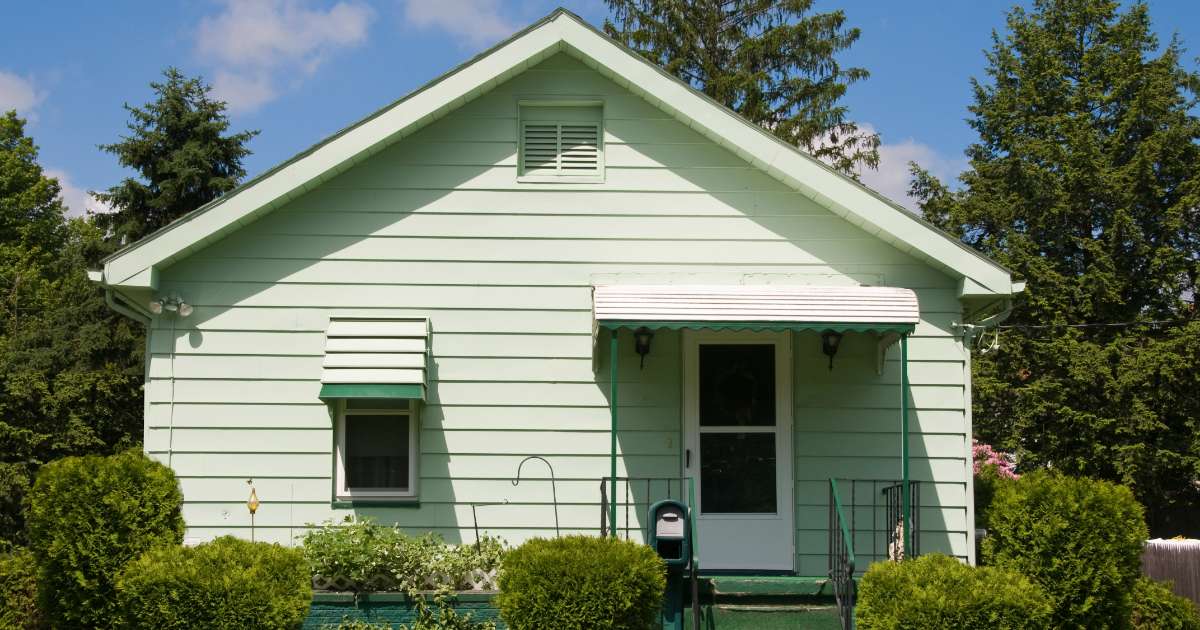

When Dallas temperatures soar past 100 degrees and your air conditioner stops working, HVAC repairs can get expensive. The good news is you can sell your home "as is" in Dallas without spending thousands on repairs. Every summer, homeowners across the DFW Metroplex face this exact scenario, and many discover that a direct cash sale is the fastest, least stressful path forward.
If you're dealing with HVAC problems, broken compressors, mold inside your AC unit, or a system that simply gave out during a brutal Texas heat wave, We Buy Ugly Houses® can help. We're local property specialists in the Dallas area, and we buy homes in almost any condition. No repairs. No waiting. No hassle.
Why HVAC problems are so common in Dallas
Dallas sits squarely in one of the most punishing climates for residential HVAC systems in the entire country. The National Weather Service regularly issues excessive heat warnings for the region, and the city routinely logs 20 or more days above 100 degrees each summer. That kind of relentless demand pushes air conditioning systems to their absolute limit.
The most common air conditioning problems for Dallas homeowners
Even well-maintained systems struggle in North Texas. Here are some of the most frequent HVAC issues Dallas homeowners face:
- Warm air blowing despite the system running — this can point to a compressor issue or a refrigerant leak
- Skyrocketing energy bills — this is often caused by reduced efficiency from a refrigerant leak
- Ice forming on your unit — this may be due to frozen coils from restricted airflow or low refrigerant
- Musty smell from vents — this can indicate mold in the AC unit or ductwork from moisture buildup
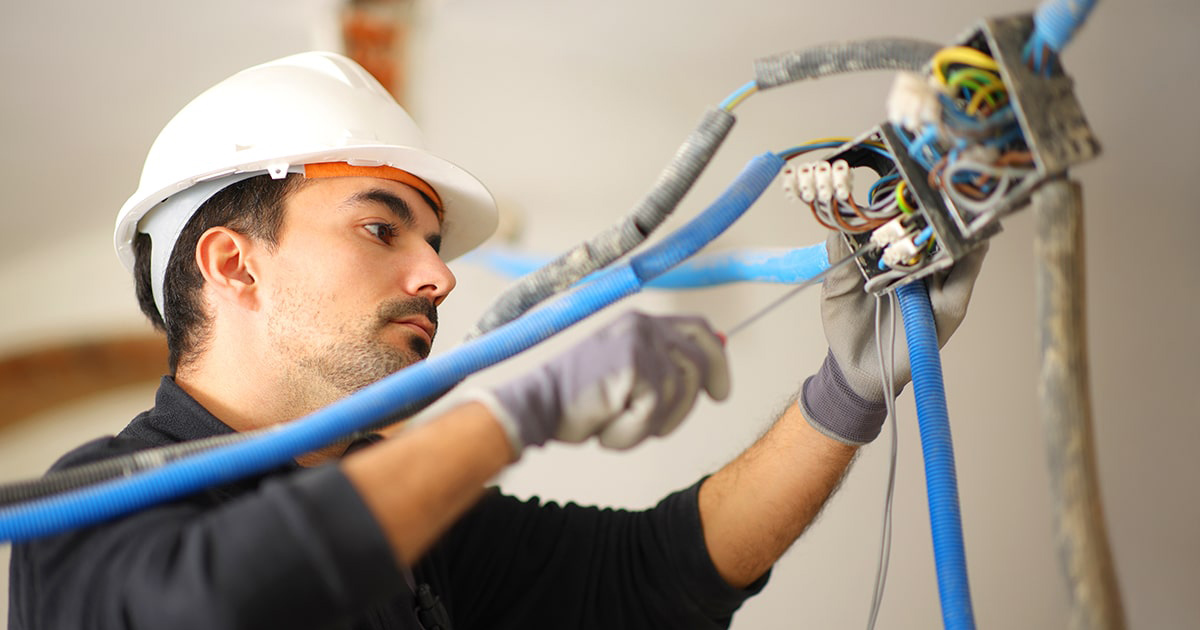
- System short-cycling or shutting off — this may be related to electrical components wearing out from frequent cycling
- Uneven heating in winter — this can be a sign of a cracked heat exchanger
According to the U.S. Department of Energy, air conditioning accounts for roughly 12% of total home energy expenditures nationally, but in climates like Dallas, that figure runs significantly higher. When a system fails, the cost to replace it can range from $5,000 to $15,000 or more, depending on the size of the home and the type of unit.
For homeowners already dealing with financial strain, that kind of repair bill simply isn't realistic.
What to consider before repairing your HVAC system prior to selling
Many homeowners assume they need to fix everything before listing their property, and some real estate agents may recommend it. But replacing an HVAC system in Dallas isn’t just expensive. It can also take time.
During peak summer months, contractors are often booked weeks in advance, and delays can push timelines even further.
Here’s what to keep in mind:
- A full system replacement can take several weeks to schedule and complete
- Even after repairs, buyers may still raise concerns during inspections or request additional updates
- You'll pay holding costs like mortgage, insurance, and utilities while you wait
- There's no guarantee the repair will translate to a higher sale price
When you sell your home "as is," you skip all of this. You sell the property in its current condition, HVAC problems and all, and the buyer assumes responsibility for repairs.
What Texas law says about selling "as is"
In Texas, you have the legal right to sell a home "as is." However, the Texas Real Estate Commission (TREC) requires sellers to complete a Seller's Disclosure Notice. This is a standardized form where you disclose known issues, including HVAC problems, or code violations to the buyer.
Key Disclosure Requirements under TREC
Even in an "as is" sale, the Texas Property Code mandates that sellers disclose known issues. This includes:
- Whether the HVAC system is currently functioning
- Known history of mold inside the AC unit or ductwork
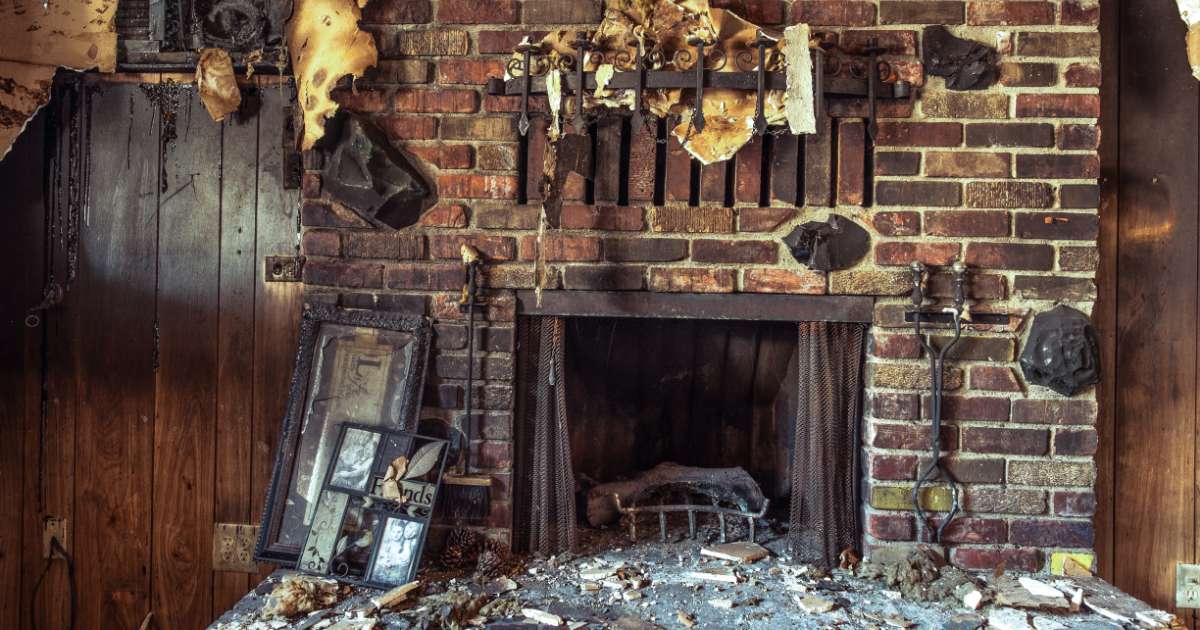
- Any smoke or fire damage that may have affected the home’s mechanical systems
- Previous repairs or system replacements
Being upfront about these issues helps protect you and keeps the process moving smoothly. When you work with We Buy Ugly Houses, you can share the condition of your home without worrying about repair requests or added pressure to fix things before selling.
In a traditional sale, inspections often uncover HVAC problems anyway, which can lead to delays or additional negotiations. Being clear about the condition from the start can help you avoid those back-and-forth conversations.
How extreme heat can compound other problems
HVAC failure doesn't happen in isolation. When your air conditioning stops working in the Dallas heat, secondary problems can develop quickly.
Mold growth
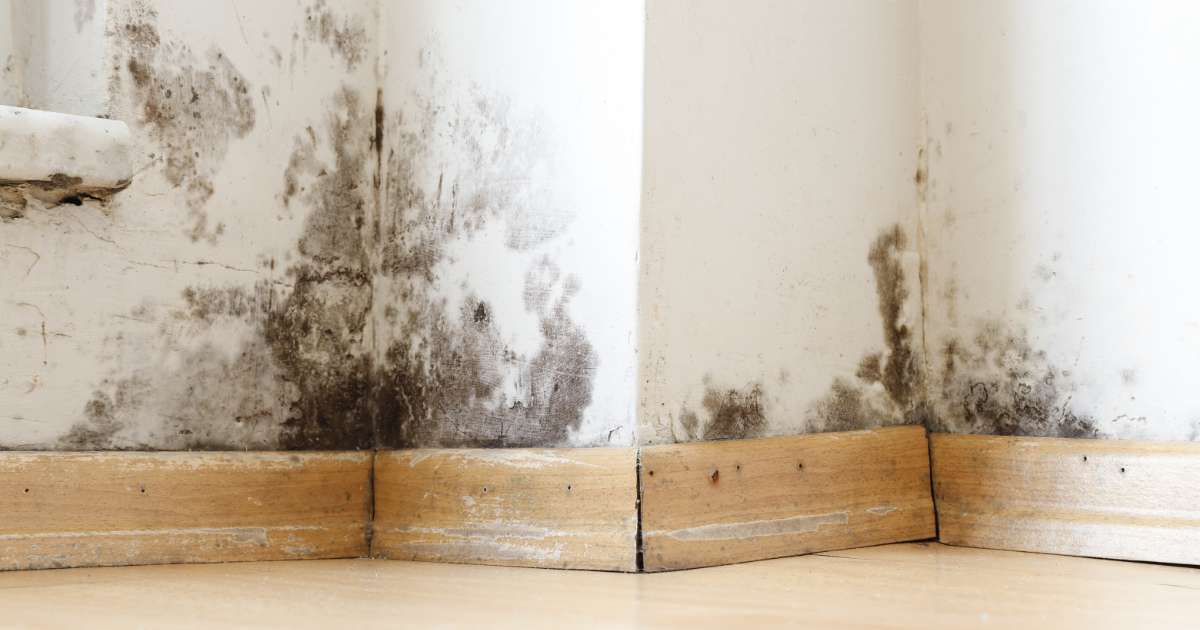
Without climate control, indoor humidity climbs rapidly. According to the Environmental Protection Agency (EPA), mold can begin growing within 24 to 48 hours in damp conditions. Mold inside an AC unit can spread through ductwork and into walls, ceilings, and flooring throughout the house.
Smoke damage and fire risk
Overworked HVAC systems can also create fire hazards. Electrical shorts, overheated wiring, and clogged filters increase the risk of fire damage to a house. If your house has experienced smoke damage from an HVAC-related incident, repairs become exponentially more complicated and expensive.
Structural stress
Prolonged indoor heat can warp wood framing, damage drywall, and degrade adhesives in flooring. The longer a home sits without climate control in summer, the worse these problems become, and the more they can cost to fix.
This is exactly why selling "as is" makes sense for many homeowners. The longer you wait, the more your repair bill may grow.
How We Buy Ugly Houses® makes it simple
We Buy Ugly Houses has been helping homeowners sell their homes "as is" in Dallas for decades. We understand the local market, we know the challenges that come with Texas heat, and we've bought homes with every kind of HVAC problem you can imagine.
Here's how our process works in 3 easy steps:
Step 1: Schedule a free consultation
Reach out to us, and we'll set up a free, no-obligation visit at a time that works for you. We'll walk through the property, listen to your situation, and answer every question you have. There's zero pressure.
Step 2: Receive a fast cash offer
After assessing your house, we can present you with a straightforward cash offer. We factor in the property's current condition, so you don't need to worry about making repairs, cleaning up, or staging the home.
Step 3: Close on your timeline
If you accept the offer, we can sometimes close in as little as 3 weeks, or on a timeline that works for you. There are no agent commissions, no financing contingencies, and no last-minute surprises. You get paid at closing and can move forward.
When selling "as is" is the right move
Not every situation calls for an "as is" sale, but many do. Here are common scenarios where Dallas homeowners benefit from selling directly:
- Your home air conditioner stopped working and replacement costs exceed your budget
- You've discovered mold inside the AC unit and remediation estimates are overwhelming
- The property has sustained fire or smoke damage
- You've inherited a home with deferred maintenance and outdated systems
- You're relocating quickly and can't manage a traditional listing timeline
- You're behind on mortgage payments and need to sell quickly
In every one of these cases, We Buy Ugly Houses offers a clear, reliable path to selling your house without added stress. We're local property specialists who've helped thousands of homeowners in situations just like yours.
Get a cash offer for your Dallas house "as is"
If any of these situations sound familiar, you don’t have to take on repairs or wait through a long selling process. Selling your house "as is" can give you a more direct way to handle the property and move on your timeline.
We Buy Ugly Houses works with homeowners across the Dallas area to provide a simple, no-obligation way to explore your options. You can skip repairs, avoid showings, and choose a closing date that works for you.
If you’re ready to see what your next step could look like, reach out today to schedule your free consultation.
This blog is for informational purposes only and should not be considered legal advice.