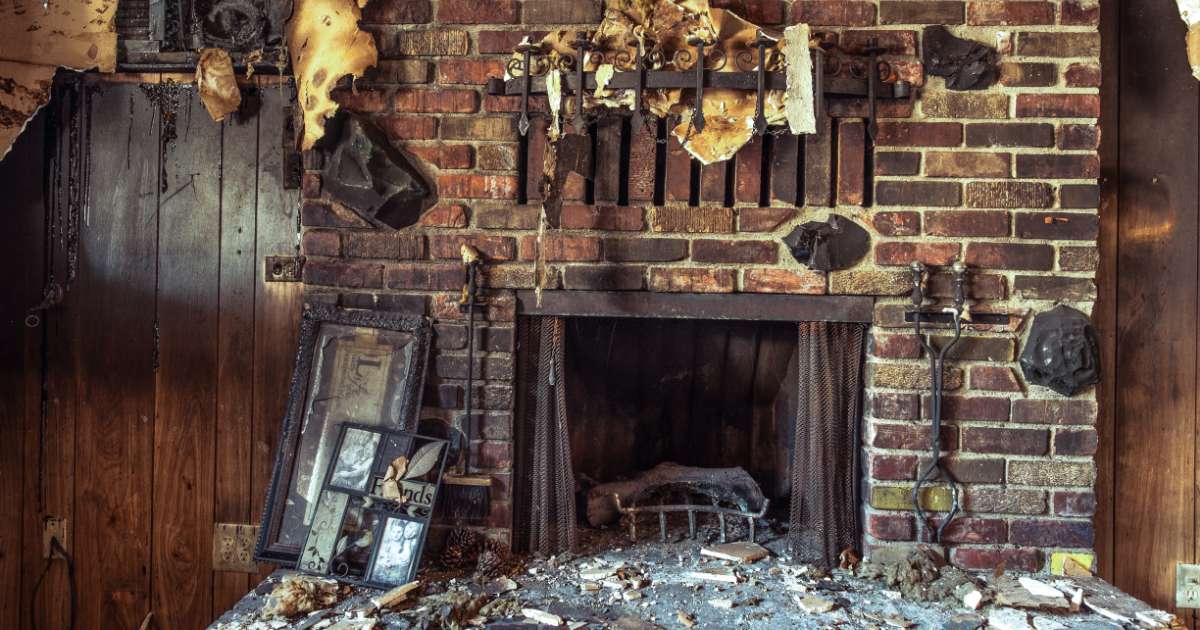

If you own a rental property in Tucson that’s been damaged by tenants, you know how overwhelming it can feel. Holes in the walls. Stained carpets. Missing appliances. Maybe worse.
The good news is you can sell your rental property "as is" in Tucson without paying for repairs or dealing with a long listing process. Many Tucson landlords in this situation choose to work with local buyers who specialize in distressed houses so they can skip the hassle and move forward.
This guide covers what you need to know about selling a rental house after tenant damage in Tucson, including Arizona laws, disclosure requirements, and options for a simpler sale.
What counts as tenant damage under Arizona law?
Arizona separates normal wear and tear from true tenant damage. Understanding the difference matters when you decide to sell distressed property.
Normal wear and tear includes things like faded paint, light scuffs on floors, or small nail holes. These are expected over time and can’t be charged to tenants.
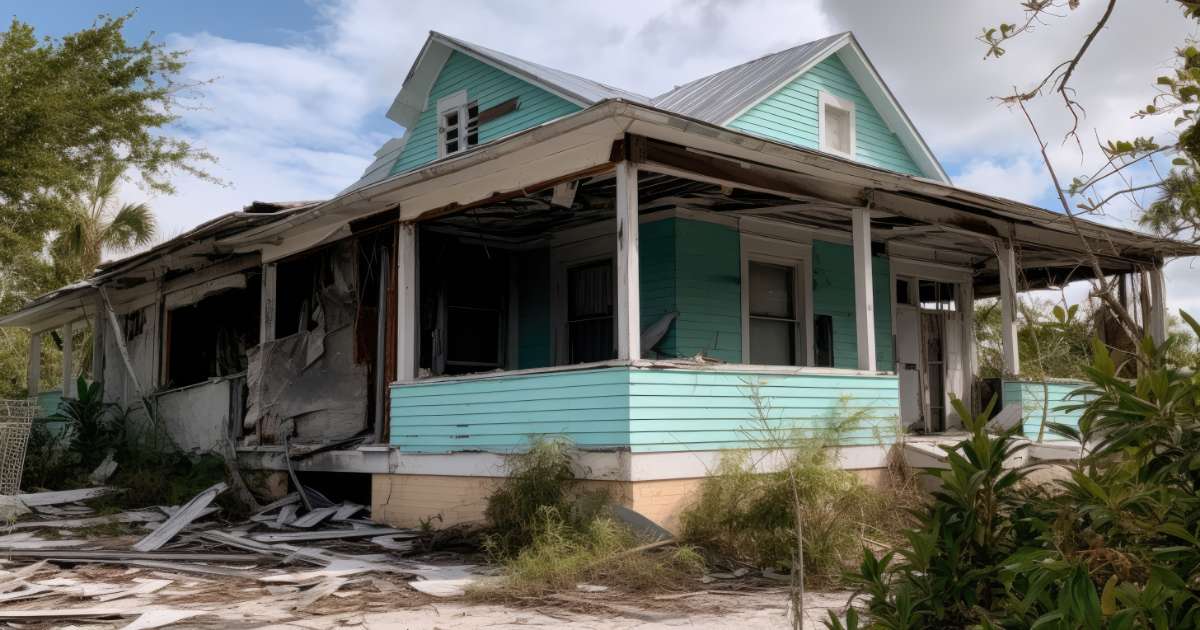
Tenant damage goes beyond everyday use. This can include broken doors, large holes in drywall, damaged windows, pet urine in subfloors, unauthorized paint, removed fixtures, or plumbing neglect that causes water damage. Under Arizona Revised Statutes Section 33-1321, landlords can deduct repair costs from a security deposit for this type of damage.
However, many landlords find the deposit doesn’t come close to covering the cost. A $1,200 deposit won’t go far if repairs total $15,000 or more. At that point, many start asking whether it makes more sense to sell their investment property instead of fixing it.
The true cost of repairing tenant damage before you sell rental property
Before starting repairs, it helps to understand typical costs in Tucson.
A moderately damaged rental house in Tucson could need $10,000 to $25,000 in repairs just to become market-ready. That doesn’t include ongoing costs like mortgage payments, property taxes, insurance, or HOA fees while you wait to sell.
For many landlords, putting more money into the property just isn’t practical.
Arizona disclosure requirements when you sell a rental property "as is"
If you choose to sell a rental property "as is," Arizona law still requires you to be honest about the condition. The Arizona Association of Realtors’ Seller Property Disclosure Statement (SPDS) asks you to share any known issues.
This includes structural issues, past water damage, pest problems, and anything that could affect value or a buyer’s decision.
Under A.R.S. Section 33-422, not disclosing known defects can lead to legal issues after closing.
The key is “known defects.” You don’t have to inspect for hidden problems, but you do need to disclose issues you’re aware of.
When you sell a house "as is" in Tucson to a professional buyer like We Buy Ugly Houses®, the process is usually more straightforward. We are comfortable buying properties in less-than-perfect condition and factor repairs into our offer.
What about selling a house with tenants still living in it?
If tenants are still living in the property, selling can be more complicated. You may be trying to sell a house with tenants who are behind on rent or not maintaining the home.
Arizona landlord-tenant laws (A.R.S. Title 33, Chapter 10) outline your options:
-
Month-to-month leases require 30 days’ written notice to end (A.R.S. Section 33-1375).
-
Fixed-term leases usually must be honored unless the tenant agrees to leave early or violates the lease.
-
Evictions for nonpayment or damage require proper notice and a court process.
Selling a tenant-occupied property on the open market can be difficult. Many buyers want a vacant home, and showings can be challenging with uncooperative tenants.
This is one reason many landlords choose to sell their property to a direct buyer. We Buy Ugly Houses can purchase tenant-occupied homes, so you don’t have to manage the sale and tenant situation at the same time.
What it means to sell a rental property "as is"
When you sell a rental property "as is," you’re selling the home in its current condition. You’re not making repairs, staging the home, or negotiating after inspections.
This approach can make sense if you’re dealing with:
-
Significant tenant damage
-
Deferred maintenance
-
A rental that’s no longer profitable
-
A need to sell quickly due to financial or personal reasons
For many landlords, it’s a simpler way to sell distressed property without adding more time or expense.
Why Tucson homeowners choose We Buy Ugly Houses®
We Buy Ugly Houses works with Tucson homeowners who want a more direct way to sell rental property without the usual stress.
Here’s what the process can look like:
-
No repairs are needed: We buy houses in almost any condition, including those with tenant damage.
-
No commissions or hidden fees: We don’t charge commissions or hidden fees, and we pay typical closing costs.†
-
Flexible closing timeline: Some sales close in as little as 3 weeks, or later if you need more time.
-
Help with complex situations: Tenant-occupied homes, title issues, or liens can often still be worked through.
-
Local experience: Our Tucson team understands the local market and property conditions.
We aim to keep the process simple so you can move forward without added stress. If you’re ready to explore your options, reach out to our Tucson team to start a conversation and see what a cash offer could look like for your situation.
Ready to sell your rental property "as is" in Tucson?
If you’re dealing with tenant damage, ongoing repairs, or a rental that’s become more stress than it’s worth, you don’t have to figure it out on your own. Selling your rental property "as is" can be a simpler way to move forward without putting more time or money into the house.
We Buy Ugly Houses works with Tucson homeowners to provide a straightforward option based on your property’s current condition. You can skip repairs, avoid showings, and choose a closing timeline that fits your needs.
The next step is easy. Schedule a free, no-obligation consultation to talk through your situation and see if selling for cash is the right fit for you.
This blog is for informational purposes only and should not be considered legal advice.