
If you’re dealing with a damp, cracked, or flooded basement in your Minneapolis home, you may be wondering how it will affect your ability to sell. The good news is that homes with water damage can still be sold, and making repairs ahead of time is not always required.
Selling a house “as is” with basement water issues is one option many homeowners consider, particularly when repair costs or timelines are a concern. In some cases, working with a direct buyer can provide a more straightforward way to sell without completing updates first.
Whether the issue is seasonal flooding, a foundation leak, or long-term moisture buildup, this guide explains your options, outlines key legal considerations, and walks you through what to expect as you move forward.
Common types of basement water issues in Minneapolis
Basement water problems are fairly common in Minneapolis due in part to soil conditions and seasonal weather patterns. Clay-heavy soil can expand when wet and contract when dry, and freeze-thaw cycles throughout the colder months can place additional stress on foundations. Over time, these factors can contribute to water intrusion in basements.
Some of the most common issues homeowners experience include:
Seasonal snowmelt and drainage issues
In the spring, rapid snowmelt can overwhelm drainage systems and allow water to enter through foundation walls or floor joints.
Sump pump limitations or failure
During heavy rain, sump pumps may struggle to keep up with incoming water or may stop working due to power loss or mechanical issues.
Foundation seepage and cracks
Shifting soil and long-term pressure against foundation walls can lead to small cracks or seepage points where groundwater enters the basement.
Ongoing moisture and mold concerns
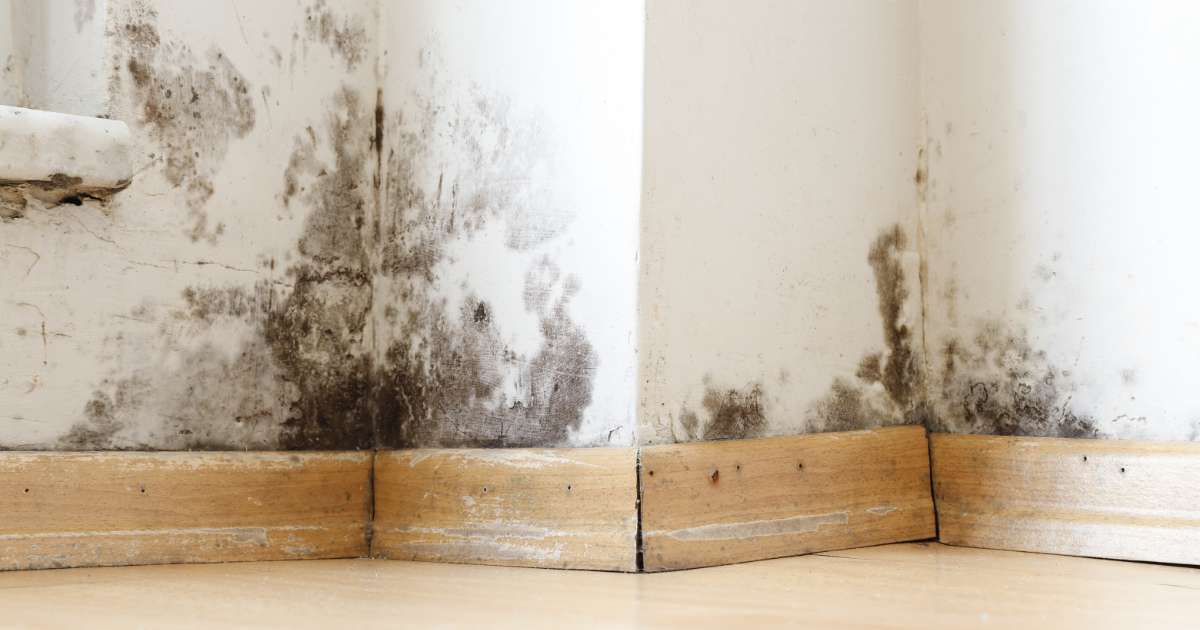
Persistent dampness can create conditions for mold growth over time, which may require additional cleanup or remediation.
Sewer backups
In some older neighborhoods, aging infrastructure can contribute to sewer backups, which can introduce water and waste into the basement.
If you’re experiencing any of these issues, understanding the cause and extent can help you evaluate your options, whether you plan to make repairs or move forward with an “as is” sale.
Minnesota disclosure rules: what you’re required to tell buyers
One important legal point to understand is that selling “as is” in Minnesota does not remove your obligation to disclose known issues. Under Minnesota Statute § 513.55, sellers are required to provide a written disclosure statement covering known material defects, including water intrusion, foundation issues, mold, and past flooding. This requirement applies whether you list on the open market or sell directly to a buyer.
Selling “as is” means you are not planning to make repairs before closing. It does not change your responsibility to share what you know about the property’s condition. Failing to disclose known issues can create legal risk, even after the sale is complete.
For homeowners considering a direct sale, the disclosure process may feel more straightforward. Buyers who purchase homes in their current condition are often familiar with properties that have repair needs or past issues. You can review the full text of the statute on the Minnesota Legislature's website.
Fixing first: what to expect
Some homeowners choose to address basement water issues before listing their house. While that approach can work, it often involves added time, cost, and coordination. Here are a few factors to keep in mind:
Repair costs
Fixing a wet or flooded basement may involve waterproofing, drainage improvements, or structural repairs. The scope of work can vary depending on the severity of the issue.
Time to complete repair
Scheduling contractors and completing the work can take time, especially during busy seasons or if multiple repairs are needed.
Preparing and listing the house
Once repairs are complete, the home still needs to be listed, marketed, and shown to potential buyers, which adds time to the process.
Inspections and negotiations
Buyers will typically conduct inspections, which can lead to follow-up questions, repair requests, or price adjustments, even after work has been completed.
Time to closing
From listing to closing, the process can take several weeks or longer depending on market conditions and buyer financing.
For some Minneapolis homeowners, completing repairs before listing makes sense. For others, especially when time or budget is limited, selling the house “as is” may be an option worth considering.
How water damage can affect your home’s value
Basement water issues can influence how a house is priced and how it performs on the market. The impact will vary depending on the severity of the problem, but it often affects both buyer interest and the overall sales process.
One factor to consider is financing. Many buyers rely on mortgage loans, and lenders may have condition requirements that need to be met before a property can qualify. Houses with active water intrusion, visible mold, or unresolved structural concerns may require additional review or repairs before financing can move forward, which can limit the pool of potential buyers.
Inspections are another key step. Buyers typically conduct inspections to evaluate the condition of the house, and water-related issues are often noted. This can lead to follow-up questions, repair requests, or price negotiations depending on the findings.
Timing can also be affected. Houses that need repairs or have visible issues may take longer to sell, which can extend the overall timeline and increase ongoing costs such as taxes, insurance, and utilities.
The overall impact depends on the extent of the issue, the condition of the rest of the home, and current market conditions. Understanding how buyers and lenders view water damage can help you set realistic expectations before moving forward.
Tips for selling a water-damaged house “as is” in Minneapolis
If you’re considering selling a house with water damage, a few practical steps can help you prepare, set expectations, and keep the process moving smoothly:
Gather documentation
Photos of visible issues, along with any records of past flooding, repairs, or insurance claims, can help provide a clearer picture of the property’s history.
Consider getting a repair estimate
Even if you don’t plan to make repairs, having a general sense of the scope can help inform conversations with potential buyers.
Understand your disclosure responsibilities
Minnesota law requires sellers to disclose known material issues. Completing the disclosure form thoroughly and accurately can help reduce the risk of complications later on.
Set realistic expectations if listing
If you plan to list on the open market, pricing and buyer expectations will typically reflect the condition of the property, including any water-related concerns.
Explore different selling options
Some homeowners choose to make repairs and list traditionally, while others consider selling “as is” to a direct buyer, depending on their timeline and goals.
Selling a house with basement water issues can feel complex, but taking a clear, informed approach can make the process more manageable. Whether you decide to make repairs or explore a direct sale, understanding your options ahead of time can help you move forward with more confidence.
How the We Buy Ugly Houses® simple 3-step process works
If you’re considering selling your house “as is,” our process is designed to be straightforward and easy to follow:
Step 1: Schedule a free visit
A local property specialist will meet with you, take a look at your house, and answer any questions you have. There’s no obligation to move forward.
Step 2: Receive an offer
After the walkthrough, you may receive an offer based on your house’s current condition and the local market.
Step 3: Choose your closing date
If you decide to proceed, we’ll work with you to pick a closing date that fits your timeline.
Request your no-obligation offer
If you’re dealing with basement water issues and considering a sale, a direct approach may be worth exploring. We Buy Ugly Houses purchases houses in a wide range of conditions, including those with water damage.
You can request a no-obligation consultation to learn more about the process and decide whether a cash offer fits your timeline and goals.
This blog is for informational purposes only and should not be considered legal advice.