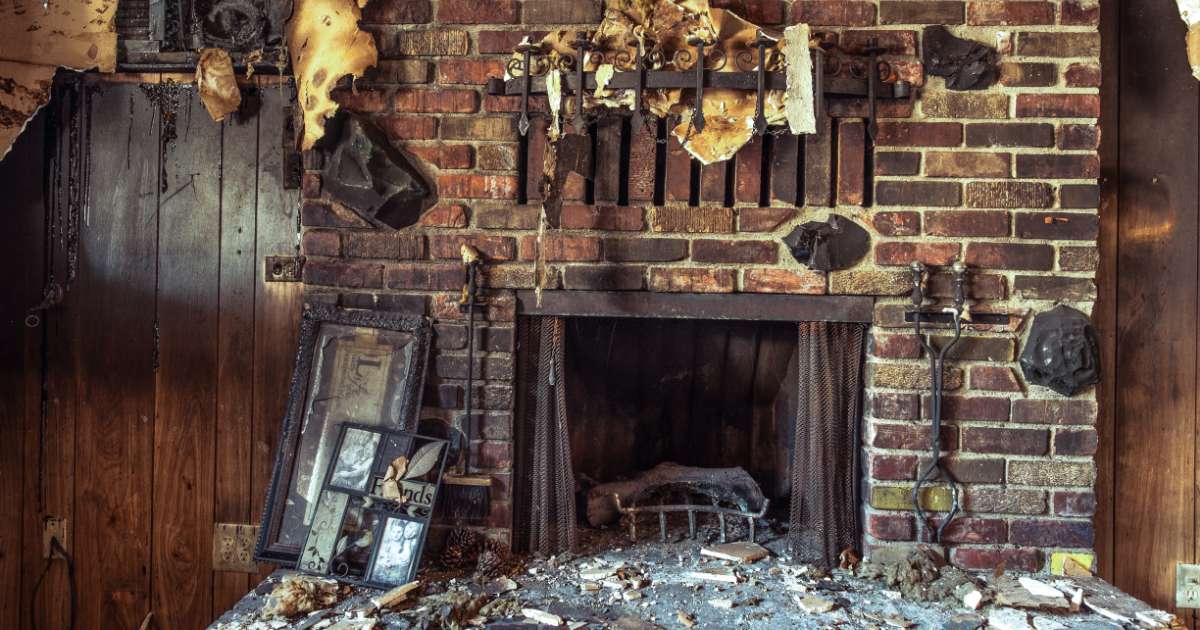

Foundation problems can make selling a home feel stressful, especially when you’re worried about expensive repairs, inspection issues, or buyers backing out. In King County, structural problems like sagging floors, foundation cracks, and water intrusion are more common than many homeowners realize, particularly in older houses throughout the Seattle area.
The good news is that you can still sell your house “as is” without completing major foundation repairs first. Washington state allows homeowners to sell properties in their current condition as long as known issues are properly disclosed.
Before you decide what to do next, it’s important to understand the signs of foundation issues, the average cost to repair foundation damage, and the different ways you can sell a house with structural concerns. Whether you’re considering listing traditionally or working with Seattle home buyers who purchase houses “as is,” knowing your options can help you move forward with more confidence.
 You don’t have to fix foundation problems before you sell
Discovering foundation problems with a house can feel overwhelming. Maybe you’ve noticed cracks in the walls, uneven floors, doors that stick, or moisture coming through the basement. In many cases, homeowners first learn about structural concerns during an inspection, refinance attempt, or contractor visit.
Fortunately, you are not legally required to repair foundation damage before selling your property.
You can sell your house “as is” in Washington state, even if there are visible signs of foundation issues. Selling “as is” simply means the buyer understands the home is being sold in its current condition and that you will not complete repairs before closing.
Many homeowners in King County choose this option because foundation repairs can become expensive quickly. Selling “as is” can help you avoid:
-
Large upfront repair costs
-
Delays from contractor scheduling
-
Additional permit and inspection requirements
-
Uncertainty about final repair expenses
-
Financing complications tied to structural damage
For homeowners dealing with costly repairs, inherited homes, financial hardship, relocation, or aging properties, selling “as is” can provide a faster and less stressful path forward.
What Washington state law says about selling “as is”
Washington’s Seller Disclosure Act (RCW 64.06) requires homeowners to disclose known material defects when selling residential property, even when selling a house “as is.”
If you know about foundation problems with the house, you’re generally required to disclose them on the seller disclosure statement. This can include issues like structural cracks, settling, sagging floors, water intrusion, previous repairs, or drainage problems affecting the foundation.
Selling a house “as is” means you don’t plan to make repairs before closing. It doesn’t allow sellers to hide known issues or avoid disclosure requirements. Buyers can still complete inspections and make decisions based on the home’s condition.
Why disclosure matters
Failing to disclose known foundation issues could create legal problems after the sale. If a buyer later discovers undisclosed structural damage, they may attempt to pursue legal action or seek financial damages.
That’s why it’s important to answer disclosure questions honestly and keep documentation related to known repairs or inspections whenever possible. If you’re unsure what should be disclosed, consider speaking with a Washington-licensed real estate attorney or experienced real estate professional.
Common signs of foundation issues in King County houses
Foundation problems are relatively common throughout the Seattle area due to the region’s climate, soil conditions, and aging housing inventory.
King County contains many areas with clay-heavy soils and moisture fluctuations that can place pressure on foundations over time. Seattle’s frequent rainfall can also contribute to drainage issues and water intrusion.
Some of the most common signs of foundation issues include:
-
Cracks in interior drywall or exterior brick
-
Doors or windows that stick or won’t close properly
-
Uneven, sagging, or sloping floors
-
Gaps around window frames or trim
-
Bowing basement walls
-
Water seepage in crawl spaces or basements
-
Chimneys leaning away from the house
While some minor settling can be normal in older homes, larger structural changes may indicate more serious foundation movement.
If you notice multiple warning signs at once, it may be worth consulting a structural engineer or foundation specialist for a professional assessment.
What causes foundation problems in Seattle?
Several regional factors contribute to foundation problems in King County houses.
Expansive soil movement
Clay-rich soils absorb water during rainy periods and shrink during dry seasons. Over time, this expansion and contraction can place stress on foundations.
Heavy rainfall and drainage problems
Seattle’s wet climate can lead to excess moisture around foundations, especially when gutters, grading, or drainage systems are inadequate.
Older construction standards
Many homes throughout Seattle were built decades ago using outdated building practices that may not meet current structural or seismic standards.
Earthquake activity
The Pacific Northwest sits within an active seismic region. Earthquake activity and long-term ground movement can contribute to structural settling and cracking.
These conditions make foundation repairs more common, and sometimes more expensive, throughout the Seattle metro area.
Average cost to repair foundation problems in Seattle
The cost to fix foundation issues depends on the type of repair needed, soil conditions, and how accessible the foundation is. In the Seattle area, foundation repair costs can vary widely depending on the extent of the structural damage.
Minor repairs, such as crack sealing or epoxy injection, typically cost between $500 and $3,000. These repairs are often used to address small cracks and minor water intrusion issues.
More extensive repairs, like carbon fiber reinforcement for bowing walls, usually range from $4,000 to $12,000. If a house has settling or sinking issues, contractors may recommend helical or push piers, which can cost anywhere from $6,000 to $36,000 depending on how many supports are needed.
Homes with sagging floors or crawl space damage may need additional structural support repairs that often range from $5,000 to $15,000. In severe cases where the foundation is beyond repair, a full foundation replacement can cost $25,000 to more than $100,000.
Homeowners should also keep in mind that foundation repairs often come with additional expenses, including structural engineer evaluations, permits, landscaping repairs, interior cosmetic work, and temporary relocation costs during construction.
Because the average cost to repair foundation damage can add up quickly, many homeowners decide selling their house “as is” makes more financial sense than investing heavily in repairs before selling.
Your options for selling a house with foundation problems
If your home has structural issues, you generally have three main options.
Option 1: Repair the foundation before listing
Some homeowners choose to complete repairs before putting the home on the market.
Potential advantages include:
-
Broader buyer pool
-
Easier financing approval
-
Higher potential sale price
However, this approach also comes with risks:
-
Significant upfront expenses
-
Contractor delays
-
Unexpected repair complications
-
Additional holding costs while repairs are completed
In some cases, homeowners spend tens of thousands of dollars without fully recovering those costs in the final sale price.
Option 2: List the home “as is” on the MLS
Another option is listing the property “as is” with a real estate agent.
This allows you to avoid repairs while still exposing the property to traditional buyers.
However, homes with foundation problems often face challenges such as:
-
Longer time on market
-
Reduced buyer interest
-
Aggressive inspection negotiations
-
Financing denials from mortgage lenders
-
Deals falling through before closing
Because many lenders require homes to meet minimum structural standards, buyers using conventional, FHA, or VA financing may struggle to secure approval.
Option 3: Sell directly to Seattle home buyers
Many homeowners choose to sell directly to cash home buyers in Seattle instead.
This option can simplify the process because companies that buy houses “as is” are typically prepared to purchase homes with:
-
Structural damage
-
Sagging floors
-
Water intrusion
-
Settlement issues
-
Deferred maintenance
Selling directly may allow you to:
-
Avoid repairs
-
Skip staging and open houses
-
Eliminate agent commissions
-
Choose your own closing timeline
-
Reduce financing-related delays
For homeowners facing expensive structural or roof repairs, this can provide a more predictable and convenient solution.
How to sell your house “as is” in 3 easy steps
Selling a house with foundation issues doesn’t have to be complicated or stressful. At We Buy Ugly Houses®, we make the process simple by buying houses in their current condition. That means you don’t have to worry about repairs, staging, open houses, or waiting for buyer financing approval. Here’s what the process typically looks like:
1. Schedule a consultation
Start with a free consultation to discuss your property, timeline, and goals. Our local team can evaluate the condition of the home and answer your questions.
2. Receive a cash offer
After reviewing the property, you can receive a no-obligation cash offer based on the home’s current condition.
3. Close on your timeline
If you accept our offer, you can often choose a closing date that works best for your schedule. There are no repairs, staging requirements, or financing contingencies.
Why many King County homeowners choose to sell “as is”
Foundation problems can create financial stress, uncertainty, and major disruptions.
For many homeowners, selling “as is” provides benefits such as:
-
Faster closings
-
No repair expenses
-
Less stress during the selling process
-
Fewer contingencies and negotiations
-
Greater certainty compared to traditional listings
Whether you’re dealing with an inherited property, relocation, financial hardship, or an aging house with structural concerns, selling “as is” may help you move forward more quickly.
Ready to sell your house “as is”?
You don’t have to spend months managing contractors or paying for expensive structural repairs before selling your home. We Buy Ugly Houses helps homeowners throughout the Seattle area sell their houses “as is,” including homes with foundation issues, sagging floors, and structural concerns.
There are no repairs, no staging requirements, and no agent commissions.
If you’re ready to explore your options, our local Seattle team is here to help.
This blog is for informational purposes only and should not be considered legal advice.