
What can you do about the abandoned house next door?
An abandoned house in the neighborhood can raise a lot of concerns. It can be an eyesore with peeling paint, overgrown weeds, or broken windows. Or maybe it’s become a target for vandalism or unwanted activity. Whatever the issue, living next to a neglected property can leave you feeling frustrated and worried.
While it can be a challenging situation, there are several steps you can take to address an abandoned property in your neighborhood.
How to find out if a property is abandoned
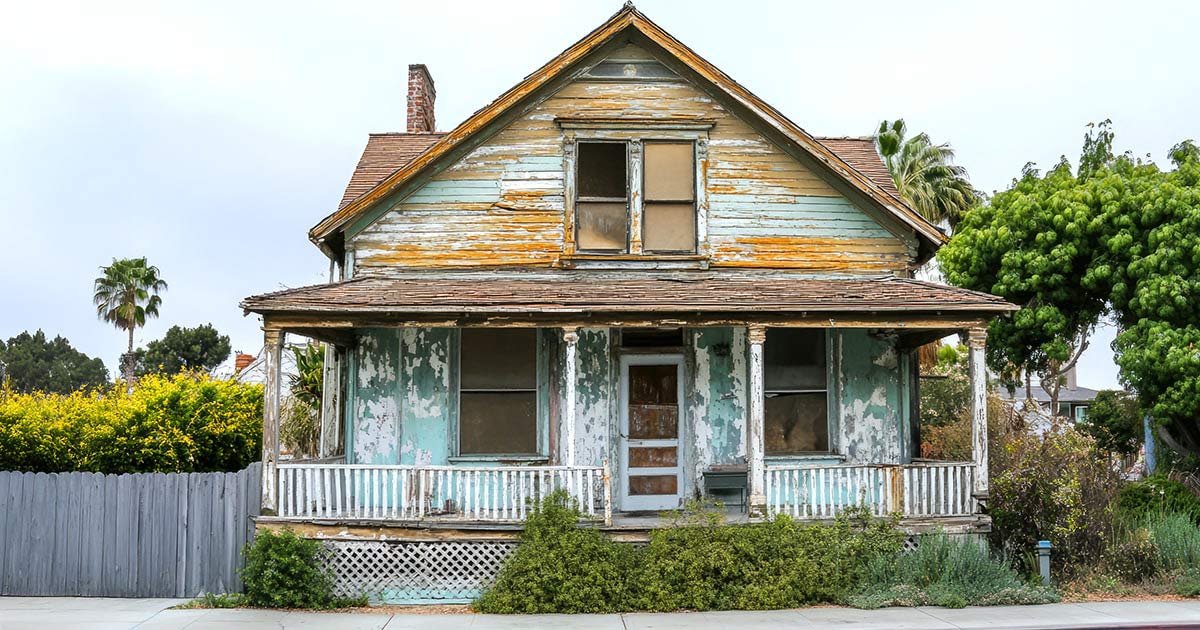
Before taking any action, you should confirm whether the house is truly abandoned, rather than simply vacant or temporarily unoccupied. Signs that a house may be abandoned include:
- Overgrown lawn or unmaintained landscaping
- Accumulated mail or packages
- Notices posted on doors or windows
- Boarded-up windows or broken fixtures
- Absence of utilities (e.g., no lights on for long periods)
- Visible structural damage or signs of long-term neglect
Keep in mind that a house may appear empty for legitimate reasons—owners could be traveling, the property might be part of an estate, or it could be awaiting renovation. If you’re unsure, taking the next step—identifying the owner—can help clarify the situation.
How to find out who owns an abandoned house
If the house seems truly abandoned, you’ll want to find out who owns it. Start with your county assessor’s office or property appraiser's website, which usually has online tools that let you search by address. The public records will often reveal:
- The name of the owner
- A mailing address (which may be different from the property address)
- Property tax payment history.
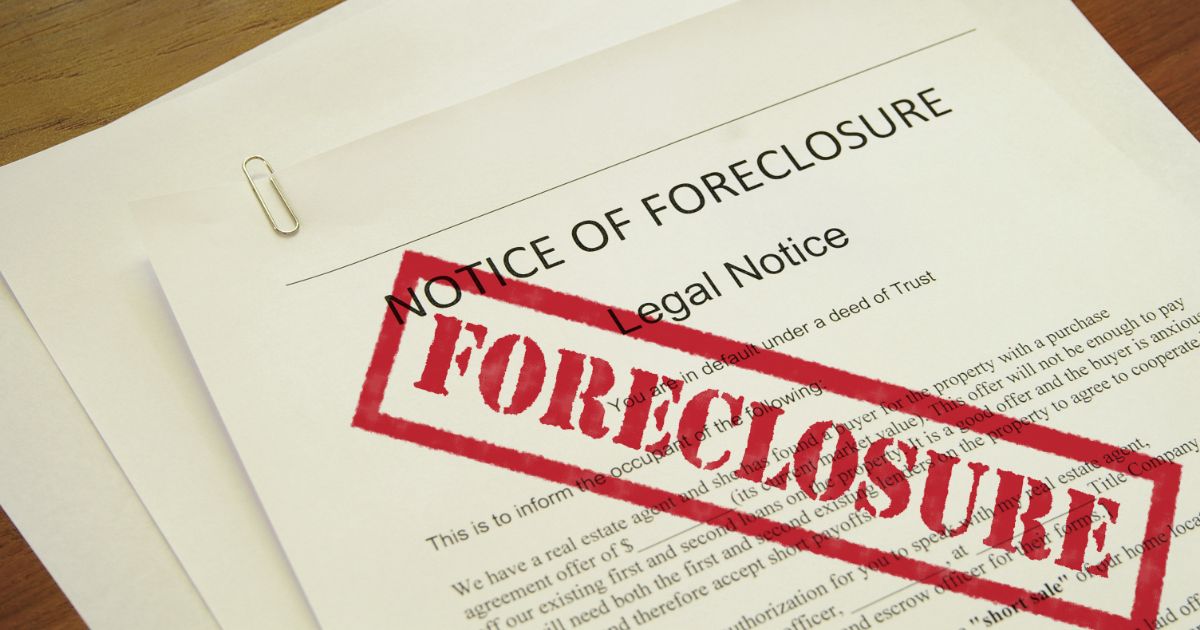
If taxes haven’t been paid in a long time, the property could be headed toward a tax lien or foreclosure, which may indicate a deeper legal issue.
In some cases, the owner has passed away, and no one has claimed or managed the property. This is common in probate situations where the home is tied up in legal proceedings. You may be able to find more information through local probate court records or by contacting your city’s housing department.
How to report an abandoned house
Once you’ve determined the house is abandoned and likely causing a nuisance, you can alert your local authorities. Most cities and counties have departments that handle property maintenance issues—commonly known as Code Enforcement.
Who to contact:
- Local code enforcement or building department
- City or county housing authority
- Public health or sanitation departments (if there’s a public health concern)
What to report:
- Description of the issues (e.g., overgrowth, trash, structural hazards)
- Photographs (if safe to take from the street)
- Approximate timeline of the neglect
- Any signs of criminal activity or squatters (report these to local law enforcement)
When authorities receive a complaint, they may inspect the property and issue a code violation notice to the owner. In some cases, the city can perform minimal maintenance (like mowing the lawn) and charge the owner or place a lien on the property.
Understand local ordinances and community resources.
Each city or county has its own rules about how to handle abandoned properties. Understanding local ordinances will help you know what to expect and how to work within the system. Some communities have:
- Vacant property registries that require owners to register and maintain vacant houses
- Minimum property maintenance requirements that must be met, even if a house is unoccupied
- Blight reduction programs funded by local governments or grants
You might also check with your neighborhood association or community development office. Some local nonprofits or civic groups run neighborhood cleanup programs, and they may already be aware of the problem property.
What you shouldn’t do with an abandoned house
As frustrating as an abandoned home might be, it’s important to avoid taking matters into your own hands in ways that could get you into legal trouble. Here are a few things you should not do:
- Do not enter the property without permission. Even if no one lives there, it’s still considered private property, and going inside could be considered trespassing.
- Do not perform maintenance or cleanup on your own. You may be liable for damage or injury, even with good intentions.
- Do not confront suspected trespassers or squatters. Instead, report these issues to local law enforcement.
Staying safe and following the law should always be your top priorities.
Check out our blog for more information.
Living next to an abandoned house can be a real challenge—but you don’t have to feel powerless. By learning what to do when you live near an abandoned property, you can take the first step toward protecting your home and improving your neighborhood. While the process can take time and patience, even small actions can contribute to long-term change.For more homeowner resources, visit our dedicated We Buy Ugly Houses® blog where we share tips and information for homeowners and sellers across the country.
This blog is for informational purposes only and should not be considered legal advice.